
Discovering when your beloved pet may require surgery can be a daunting task for any pet owner. Understanding the signs and seeking prompt veterinary advice is crucial to ensure your pet’s health and well-being.
This article outlines common indicators that may signal the need for surgery, behavioral changes to observe, and steps to take in consultation with your veterinarian Starlight Medical Centre.
Stay informed and prepared to make the best decisions for your furry companion’s care.
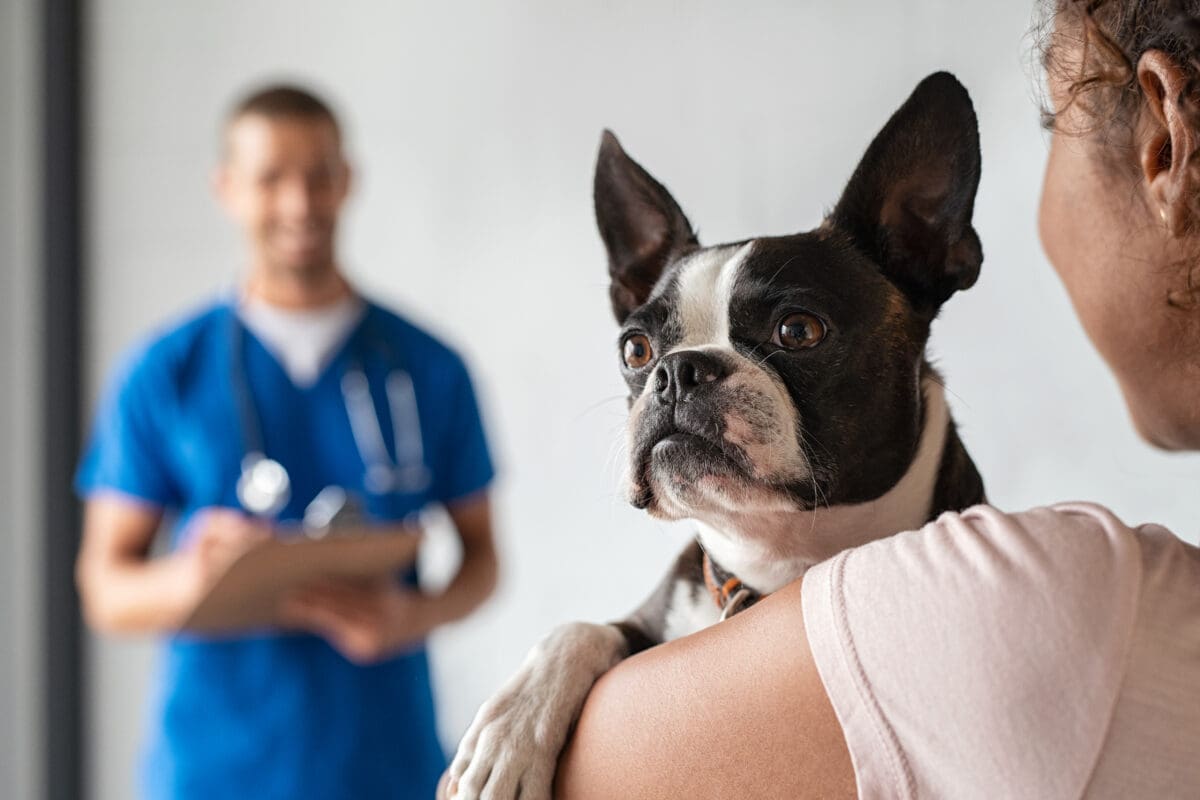
Common Signs of Pet Surgery Need
Many pets exhibit clear and specific signs that indicate the need for surgery. These signs may include persistent vomiting, difficulty breathing, sudden changes in behavior, lumps or bumps that are rapidly growing, and severe injuries. It is crucial for pet owners to pay attention to any unusual symptoms or behaviors their furry companions may display as it could be a sign that surgical intervention is necessary pet hospital.
Ignoring these signs can lead to worsening conditions and potentially endanger the pet’s life. Consulting with a veterinarian at the earliest indication of these signs is essential to assess the situation and determine the appropriate course of action. Remember, early detection and prompt treatment can greatly increase the chances of a successful outcome for your beloved pet.
Behavioral Changes to Watch For
Observing behavioral changes in your pet can provide valuable insights into their health and potential need for surgical intervention.
If your normally active dog becomes lethargic, it could indicate underlying health issues that may require surgery.
Aggression or irritability in a usually friendly pet might suggest pain or discomfort.
Changes in appetite, such as decreased food intake or excessive hunger, could also signal a medical problem that requires surgical attention.
Additionally, excessive licking, chewing, or scratching at a particular area could indicate an underlying issue that needs to be addressed surgically.
Any sudden shifts in behavior, whether it be increased anxiety, hiding, or vocalization, should be monitored closely and discussed with your veterinarian to determine if surgery is necessary for your pet’s well-being.
When Immediate Action Is Required
In cases of severe trauma or sudden life-threatening conditions, immediate surgical intervention for your pet may be necessary. Signs that indicate urgent action include severe bleeding that doesn’t stop, difficulty breathing, sudden collapse, bloated abdomen, or major injuries from accidents.
If your pet experiences any of these symptoms, it’s crucial to seek emergency veterinary care without delay. Delaying treatment in such critical situations can jeopardize your pet’s health and even lead to fatal consequences. Remember, swift action can make a significant difference in your pet’s chances of recovery.
Always prioritize your pet’s well-being and promptly address any alarming signs that warrant immediate surgical attention to ensure the best possible outcome.

Consulting With Your Veterinarian
During your consultation with your veterinarian, it is essential to thoroughly discuss your pet’s condition and any potential treatment options. Be open and honest about any symptoms or concerns you have noticed in your pet. Your veterinarian will appreciate detailed information to make an accurate assessment.
Ask questions about the recommended treatment plan, including the necessity of surgery, potential risks, expected outcomes, and alternative options. Feel free to seek clarification on any medical terms or procedures that you may not fully understand.
Preparing Your Pet for Surgery
Effective preparation is key in ensuring a smooth and successful surgical experience for your pet, emphasizing the importance of clear communication with your veterinarian and meticulous adherence to pre-surgery instructions.
Before the procedure, follow any fasting guidelines provided by the vet to prevent complications during anesthesia. Ensure your pet’s medical history, including any allergies or current medications, is up to date. Arrange for a quiet, comfortable recovery space at home post-surgery. Keep your pet calm and offer reassurance in the lead-up to the procedure. Plan transportation to and from the vet clinic, considering any special needs your pet may have.
Being well-prepared can help reduce stress for both you and your furry companion throughout the surgical process.
Conclusion
In conclusion, recognizing the signs that your pet may need surgery is crucial in ensuring their health and well-being.
By observing behavioral changes, seeking immediate action when necessary, consulting with a veterinarian, and preparing your pet for surgery, you can help them receive the necessary treatment in a timely manner.
Remember to always prioritize your pet’s health and consult with a professional for any concerns regarding their medical needs.