
Magnetic Resonance Imaging (MRI) has revolutionized the field of diagnostic medicine mri rf shielding, providing detailed images of the human body without the use of radiation.
This non-invasive technique employs powerful magnets and radio waves to create highly precise images, assisting in the diagnosis and treatment of various medical conditions.
In this article, we explore the history, functioning, applications, advantages, limitations, and future advancements of MRI technology, shedding light on its significance in modern healthcare.
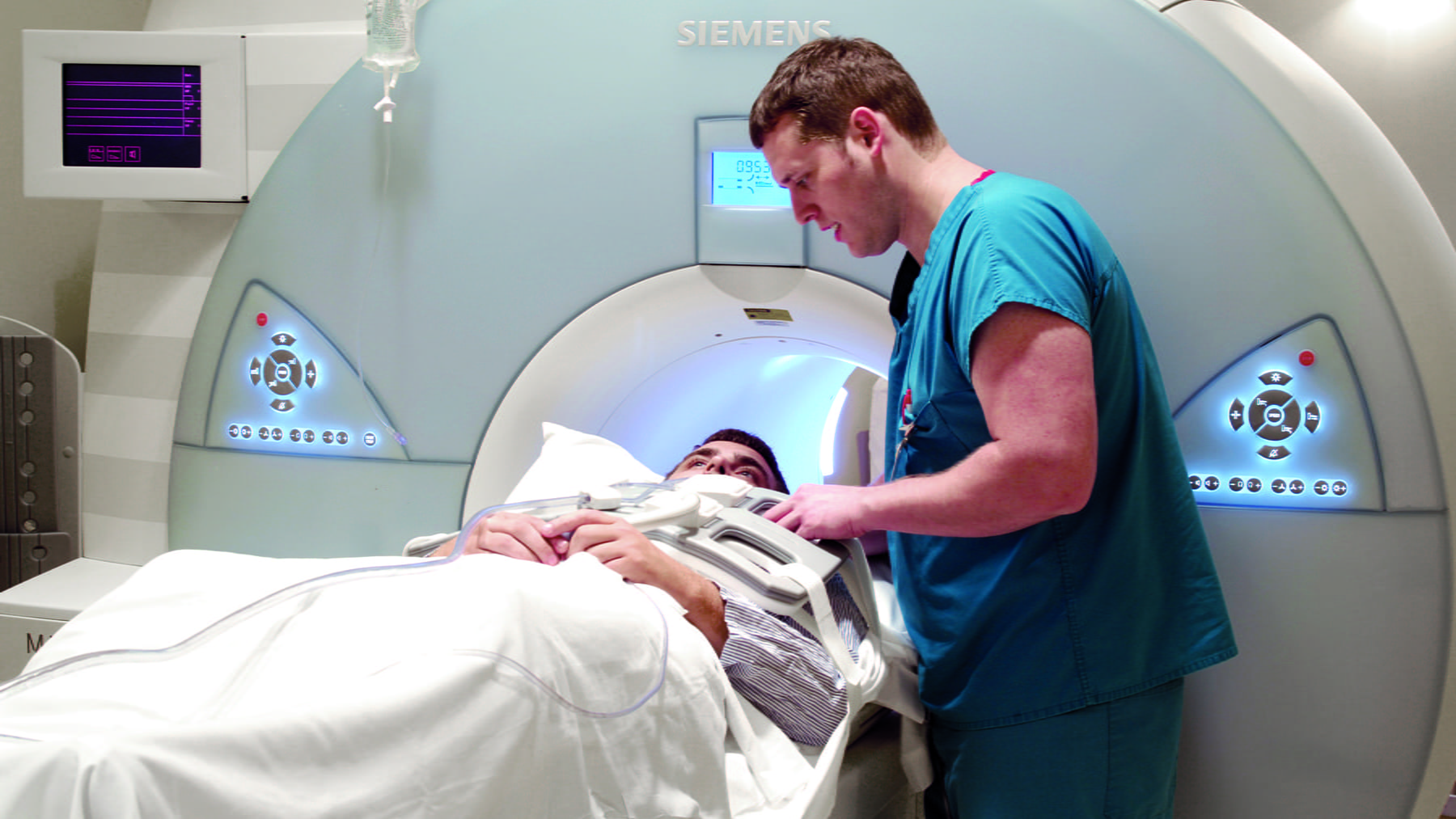
History of MRI
The history of MRI dates back to the 1970s when it was first developed as a medical imaging technique. Over the years, MRI technology has undergone significant evolution, leading to improved diagnostic capabilities and revolutionizing medical imaging. Initially, MRI machines were large and expensive lead sheet supplier Malaysia, limiting their accessibility. However, advancements in technology have resulted in more compact and affordable machines, making MRI more widely available.
The impact of MRI on medical diagnosis has been profound. Unlike other imaging techniques, such as X-rays or CT scans, MRI does not use ionizing radiation, making it safer for patients. MRI provides detailed images of soft tissues, organs, and structures within the body, allowing for more accurate and comprehensive diagnoses. It has particularly been instrumental in diagnosing conditions such as tumors, joint abnormalities, and neurological disorders.
How Does MRI Work
MRI imaging relies on the interaction between radio waves and the body’s natural magnetic properties to create detailed images of internal structures.
Over the years, there have been significant advancements in MRI technology, leading to improved image quality, faster scanning times, and enhanced patient comfort. These advancements include the development of stronger magnets, improved gradient systems, and more efficient radiofrequency coils.
Additionally, software advancements have allowed for improved image reconstruction and advanced imaging techniques, such as functional MRI and diffusion tensor imaging.
While MRI is generally considered a safe imaging modality, there are important safety precautions that need to be followed. These include screening patients for contraindications, such as the presence of metallic implants or devices, and ensuring proper patient positioning and monitoring during the procedure to minimize the risk of injury.
Common Uses of MRI in Medicine
Commonly used in medicine, MRI is a versatile imaging technique that allows for the detailed visualization of various anatomical structures and pathological conditions within the body.
One of the primary applications of MRI is in diagnosing brain tumors. MRI provides exquisite detail of the brain, allowing radiologists to accurately identify and characterize tumors, determine their location, and assess their size and extent. This information is crucial for treatment planning and monitoring the response to therapy.
Additionally, MRI plays a significant role in cardiovascular imaging. It can assess the structure and function of the heart, detect abnormalities such as heart muscle damage, congenital heart defects, and blocked arteries. MRI is particularly useful in evaluating the blood vessels supplying the heart and can provide critical information for surgical planning or intervention.
With its non-invasive nature and ability to capture high-resolution images, MRI is an invaluable tool in the diagnosis and management of brain tumors and cardiovascular conditions.
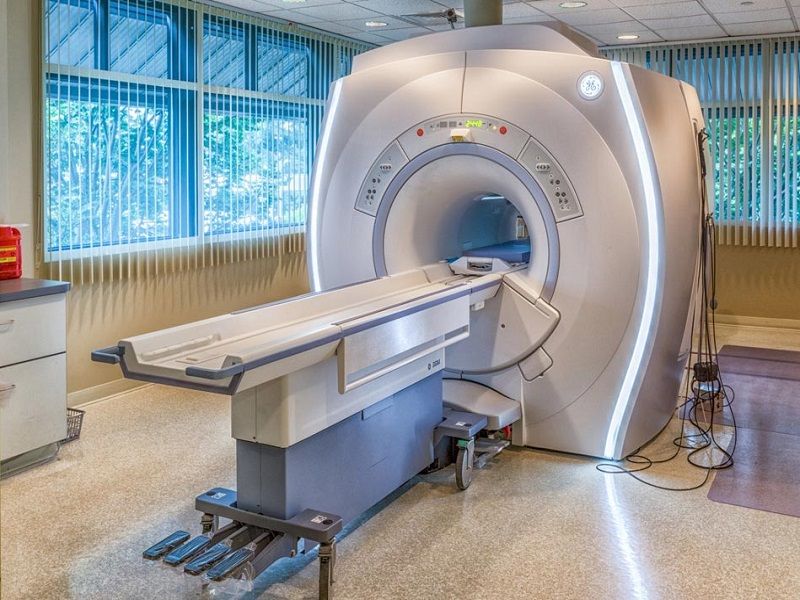
Advantages and Limitations of MRI
Advantages of magnetic resonance imaging (MRI) include:
- Providing detailed images of soft tissues.
- Being non-invasive.
- Lack of ionizing radiation.
MRI is particularly useful for visualizing structures such as:
- The brain.
- The spinal cord.
- Joints.
- Organs like the heart and liver.
Its high resolution allows for the detection of subtle abnormalities that may go unnoticed with other imaging techniques. Additionally, MRI can provide information about:
- Blood flow.
- Functional activity.
This makes it a valuable tool in diagnosing and monitoring various conditions.
However, MRI does have some limitations. It can be:
- Time-consuming, often requiring the patient to remain still for an extended period.
- Relatively expensive compared to other imaging modalities.
- Not suitable for patients with certain metallic implants or claustrophobia.
Overall, despite these limitations, MRI offers significant advantages in terms of:
- Detailed soft tissue imaging.
- Safety.
Future Developments in MRI Technology
One area of future development in medical imaging technology involves advancements in magnetic resonance imaging (MRI) equipment and techniques. As technology continues to evolve, researchers are exploring advanced imaging techniques that can improve the quality and accuracy of MRI scans. These advancements include higher field strengths, faster imaging sequences, and improved image resolution.
By pushing the boundaries of current MRI technology, scientists hope to enhance the diagnosis and treatment of various medical conditions. Additionally, there is immense potential for the application of MRI in other fields such as neuroscience, cardiology, and oncology. MRI can provide valuable insights into the structure and function of the brain, heart, and tumors, leading to better understanding and management of these conditions.
With ongoing research and development, the future of MRI holds great promise for both medical and scientific communities.
Conclusion
In conclusion, MRI has revolutionized the field of medicine by providing detailed images of the body’s internal structures without the use of radiation. Its non-invasive nature and ability to capture images of soft tissues make it a valuable diagnostic tool for various medical conditions.
However, MRI does have limitations, such as high costs and limited availability. Ongoing advancements in MRI technology hold promise for further improving its capabilities and expanding its applications in the future.