
When it comes to pet grooming, you might be surprised by the impact it can have on your furry friend’s well-being. The benefits go beyond just a clean coat pet universe nourish review. From maintaining their health to strengthening your bond, grooming plays a crucial role in your pet’s life. So, how can you ensure you’re doing it right? Stay tuned to explore essential grooming tools, proper techniques, and ways to make the grooming process a positive experience for both you and your pet.

Benefits of Pet Grooming
Regular pet grooming not only keeps your furry companion looking clean and healthy but also plays a crucial role in maintaining their overall well-being https://nourish.petuniverse.com/. By grooming your pet regularly, you aren’t only ensuring that they look their best, but you’re also promoting good health. Brushing your pet’s coat helps to distribute natural oils, keeping their skin moisturized and free from irritation. It also prevents matting, which can be uncomfortable for your pet. Additionally, regular grooming allows you to check for any abnormalities such as lumps, bumps, or parasites, enabling you to address any potential health issues early on.
Moreover, grooming sessions provide an excellent opportunity for you to bond with your pet. The act of grooming can be relaxing for both you and your furry friend, strengthening your relationship and building trust. It also helps desensitize your pet to being handled, making vet visits and other necessary procedures less stressful. Overall, regular grooming is a simple yet effective way to ensure your pet’s well-being and happiness.
Essential Grooming Tools
To properly maintain your pet’s fur health and prevent matting, brushing regularly is essential.
Additionally, trimming your pet’s nails is crucial to avoid discomfort and potential injuries.
These grooming tools are fundamental for keeping your furry friend healthy and happy.
Brushing for Fur Health
Proper fur health maintenance requires the use of essential grooming tools such as specialized brushes. Regular brushing not only keeps your pet looking well-groomed but also plays a crucial role in maintaining healthy fur. Brushing helps to distribute natural oils, remove loose fur, prevent matting, and stimulate blood flow to the skin.
For short-haired pets, a slicker brush works well to remove loose fur and dirt. Long-haired pets benefit from a combination of a slicker brush and a wide-toothed comb to prevent tangles. Brushing frequency depends on your pet’s breed and fur type. Establishing a brushing routine not only enhances your pet’s appearance but also promotes their overall well-being.
Nail Trimming Importance
Ensuring your pet’s nails are trimmed regularly is essential for their comfort and overall health. Long nails can cause discomfort and even lead to health issues like difficulty walking or joint problems.
To maintain optimal nail length, invest in quality nail clippers designed for pets. It’s important to be cautious and only trim the tip of the nail to avoid cutting the quick, which can cause bleeding and pain.
If you’re unsure about trimming your pet’s nails yourself, seek guidance from a professional groomer or veterinarian. By keeping your pet’s nails at a proper length, you’re contributing to their well-being and ensuring they can move around comfortably and confidently.
Proper Brushing Techniques
When grooming your pet, selecting the right brushing tools is crucial for maintaining a healthy coat. Different coat types require specific considerations to avoid damage or discomfort during grooming.
Proper technique for detangling mats and knots will help keep your pet’s fur looking neat and tidy.
Brushing Tools Selection
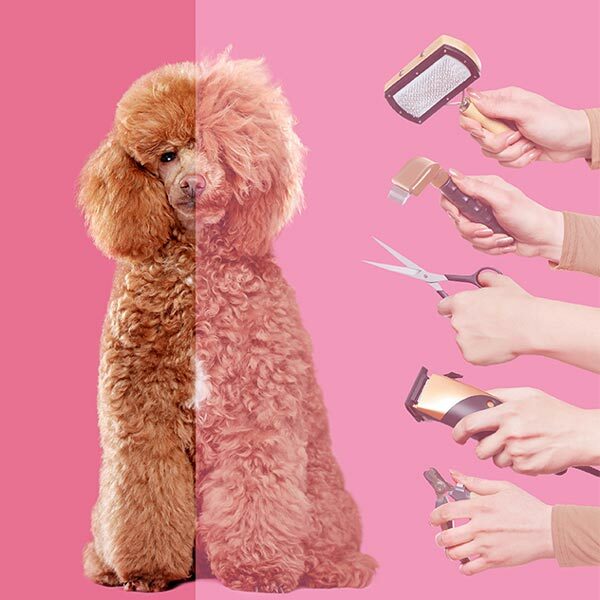
Selecting the right brushing tools for your pet is crucial for maintaining their coat’s health and appearance. Different types of brushes cater to various coat textures and lengths.
For short-haired breeds, consider using a bristle brush to remove loose fur effectively. Long-haired pets may benefit from slicker brushes to detangle and prevent matting. Rubber brushes are excellent for removing loose hair and massaging your pet’s skin.
When choosing a brush, ensure the bristles are gentle yet effective. For pets with sensitive skin, opt for softer brushes to avoid irritation. Regular grooming sessions with the appropriate tools not only keep your pet looking their best but also contribute to their overall well-being.
Coat Type Considerations
To properly groom your pet’s coat, it’s essential to consider their specific coat type when applying brushing techniques. Different coat types, such as short, long, curly, or double coats, require specific brushes to maintain their health and appearance.
For short coats, a bristle brush or grooming mitt can help remove loose hair and debris efficiently. Long coats benefit from regular brushing using a slicker brush to prevent mats and tangles. Curly coats need a comb or slicker brush to prevent matting and maintain the curls’ shape. Double coats require a combination of an undercoat rake and a slicker brush to manage shedding and prevent matting.
Understanding your pet’s coat type is crucial for effective grooming and maintaining a healthy coat.
Technique for Detangling
For efficient detangling during pet grooming, it’s crucial to follow proper brushing techniques tailored to your pet’s specific coat type. Begin by using a slicker brush for removing tangles in long-haired breeds. Work in small sections, starting from the ends and gradually moving towards the body to prevent discomfort.
For double-coated breeds, like Huskies, a deshedding tool can help remove loose undercoat and prevent mats. Remember to brush in the direction of hair growth to avoid irritation.
Short-haired breeds benefit from a rubber curry brush that removes dead hair and massages the skin. Regular grooming not only keeps your pet looking tidy but also promotes healthy skin and coat.
Nail Trimming Guidelines
When trimming your pet’s nails, it’s crucial to ensure that you have the right tools and technique to prevent any injuries. Start by using high-quality pet nail clippers that are appropriate for the size of your pet. It’s important to have styptic powder on hand in case you accidentally trim the nails too short and they start bleeding. Before trimming, get your pet comfortable by gently handling their paws regularly to desensitize them to the sensation.
To trim the nails, locate the quick, which is the pink part inside the nail that contains blood vessels and nerves. Only trim the white part of the nail, avoiding the quick to prevent pain and bleeding. Make small, gradual cuts to reduce the risk of cutting the quick. If you’re unsure, it’s better to trim a little at a time. Reward your pet with treats and praise throughout the process to make it a positive experience. Regular nail trims are essential for your pet’s comfort and health, so aim to trim them every 2-4 weeks.
Ear Cleaning Tips
Ensure that your pet’s ears are kept clean and healthy by following these effective ear cleaning tips.
Start by gently examining your pet’s ears for any redness, swelling, or unusual odor. Use a veterinarian-approved ear cleaning solution and cotton balls to clean the outer part of the ear. Avoid inserting anything into the ear canal to prevent injury. Simply dampen the cotton ball with the cleaning solution and wipe the visible parts of the ear.
For deeper cleaning, you can use a soft, damp cloth to clean the folds of the ear. Be cautious and gentle to prevent discomfort to your pet. If you notice any signs of infection, such as excessive wax, discharge, or your pet scratching their ears frequently, consult your veterinarian for proper treatment.
Regular ear cleaning can help prevent infections and promote overall ear health in your furry friend. Remember, a clean ear is a happy ear!
Dealing With Shedding
To effectively manage shedding in your pet, implement a regular grooming routine that includes brushing and bathing to help minimize loose fur around your home. Brushing your pet regularly helps to remove loose fur before it ends up on your furniture and clothes. Use a brush suitable for your pet’s coat type to ensure effective removal of loose hair. Bathing your pet with a pet-friendly shampoo can also help reduce shedding by keeping the skin and coat healthy.
In addition to brushing and bathing, ensure your pet has a balanced diet rich in essential nutrients. Proper nutrition plays a significant role in maintaining a healthy coat and reducing excessive shedding. Regular exercise is also crucial for your pet’s overall well-being, which can indirectly impact shedding.
If shedding seems excessive or your pet develops bald spots, consult a veterinarian to rule out any underlying health issues. With a consistent grooming routine and proper care, you can effectively manage shedding in your pet, keeping your home cleaner and your furry friend healthier.
Making Grooming a Positive Experience
Creating a soothing grooming environment can encourage your pet to enjoy the grooming process. Start by introducing grooming gradually to your pet, especially if they aren’t accustomed to it. Use positive reinforcement like treats and praise to associate grooming with good experiences. Make sure to choose a quiet and well-lit area for grooming to help keep your pet calm. Soft non-slip mats on the grooming table can also provide comfort and security.
Regular grooming sessions should be kept short and sweet, especially in the beginning, to prevent overwhelming your pet. Brushing, bathing, nail trimming, and other grooming tasks should be introduced slowly and with breaks in between to prevent stress. Use grooming tools that are appropriate for your pet’s coat type to avoid discomfort and make the process smoother.
Additionally, playing calming music or using pheromone sprays can help create a relaxing atmosphere during grooming. Remember to stay patient and provide lots of positive reinforcement throughout the grooming session to help your pet associate grooming with a positive experience.
Conclusion
In conclusion, regular pet grooming is a crucial aspect of caring for your furry friend. By using the right tools and techniques, you can keep your pet’s coat healthy, prevent health issues, and strengthen your bond.
Remember to approach grooming with patience and positivity to make it a positive experience for both you and your pet. Investing time in grooming won’t only benefit your pet’s physical health but also contribute to their emotional well-being.